
The Comeback: How Does Your Body Actually Heal After a Sports Injury?
And why your ankle’s recovery depends on more than stitches and screws
WHEN Every Step Hurts
It often happens in a split second.
You push off, pivot, or land, and feel a sharp pain that stops you cold. Soon after, imaging confirms it: a torn tendon or ligament near the ankle.
For patients, the injury is only the beginning. What follows is uncertainty.
Will my body really heal?
Or will it always feel different when I walk, run, or jump again?
That fear is common and understandable. The ankle plays a role in nearly every movement you make. When something goes wrong there, it’s not just pain you worry about. It’s whether you’ll ever trust that joint again.
The good news is that healing is possible. But successful healing depends on more than simply reconnecting tissue.
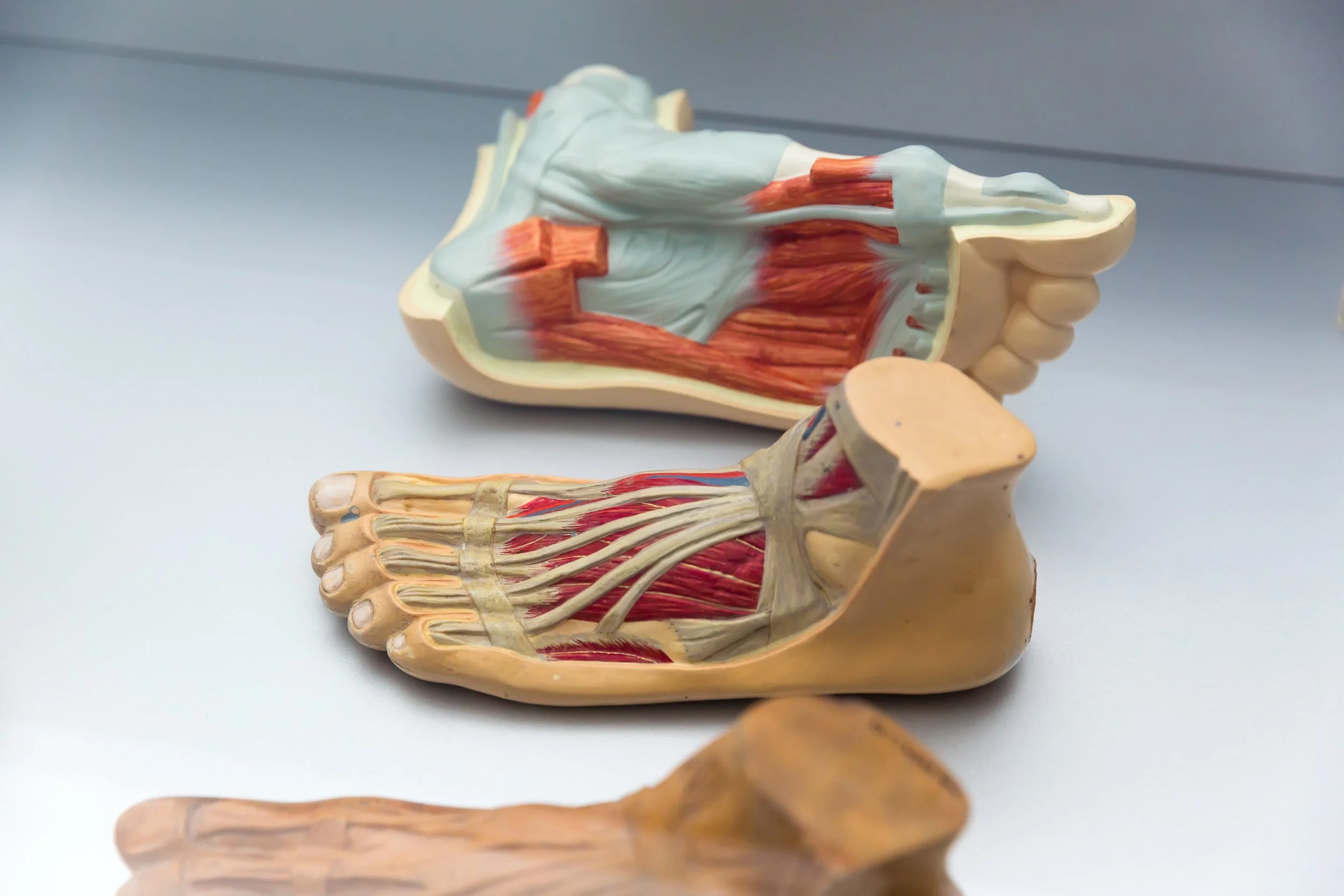
Figure 1: Foot & Ankle Anatomy. Ligaments and Tendons in the foot & ankle.
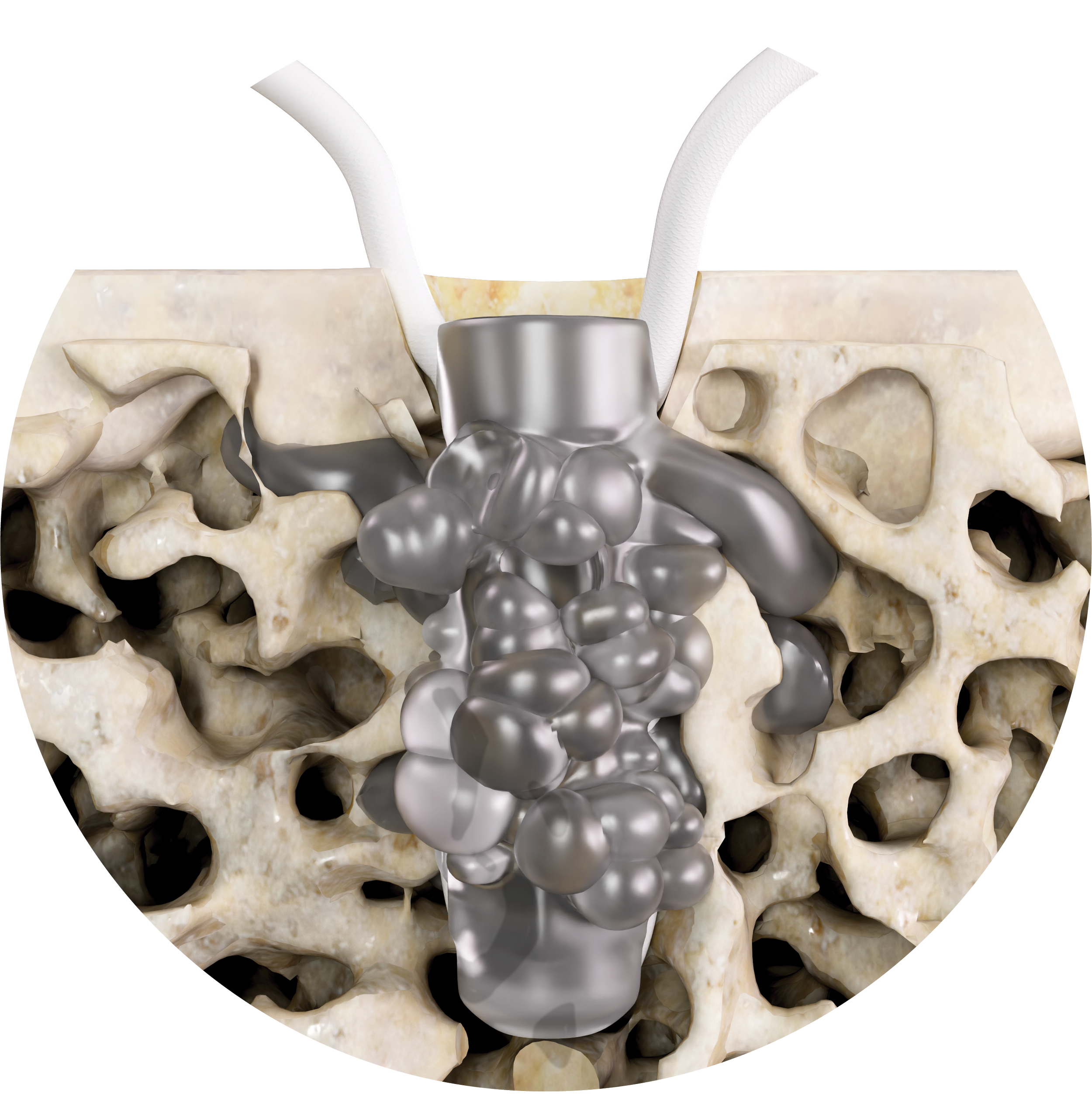
Figure 2: SF Push-in Anchor. The SF Push-in Anchor melts into the trabecular structure of the bone, augmenting the cancellous bone.
How SupraFusion Supports That Healing Environment
This is where the fixation approach matters.
Traditional barbed anchors (Figure 3a) achieve stability by drilling, cutting, or barbing into bone. While this can secure tissue, it also introduces additional stress and disruption at the insertion site, creating more work for the body during healing.
SupraFusion takes a different approach.
Instead of cutting or barbing into bone, the SF Push-in Anchor melts into the bone and conforms to its natural structure (Figure 3b). This allows fixation to be achieved through integration rather than aggressive engagement.
Because this interaction does not rely on excessive pressure or bone removal:
Stress on the surrounding bone is reduced
Local anatomy is better preserved
Fixation can be achieved with smaller anchors, as small as 1.6mm
That smaller size matters. Less bone disruption means less trauma at insertion, an important advantage in tight and delicate areas such as the ankle, foot, hand, and wrist.
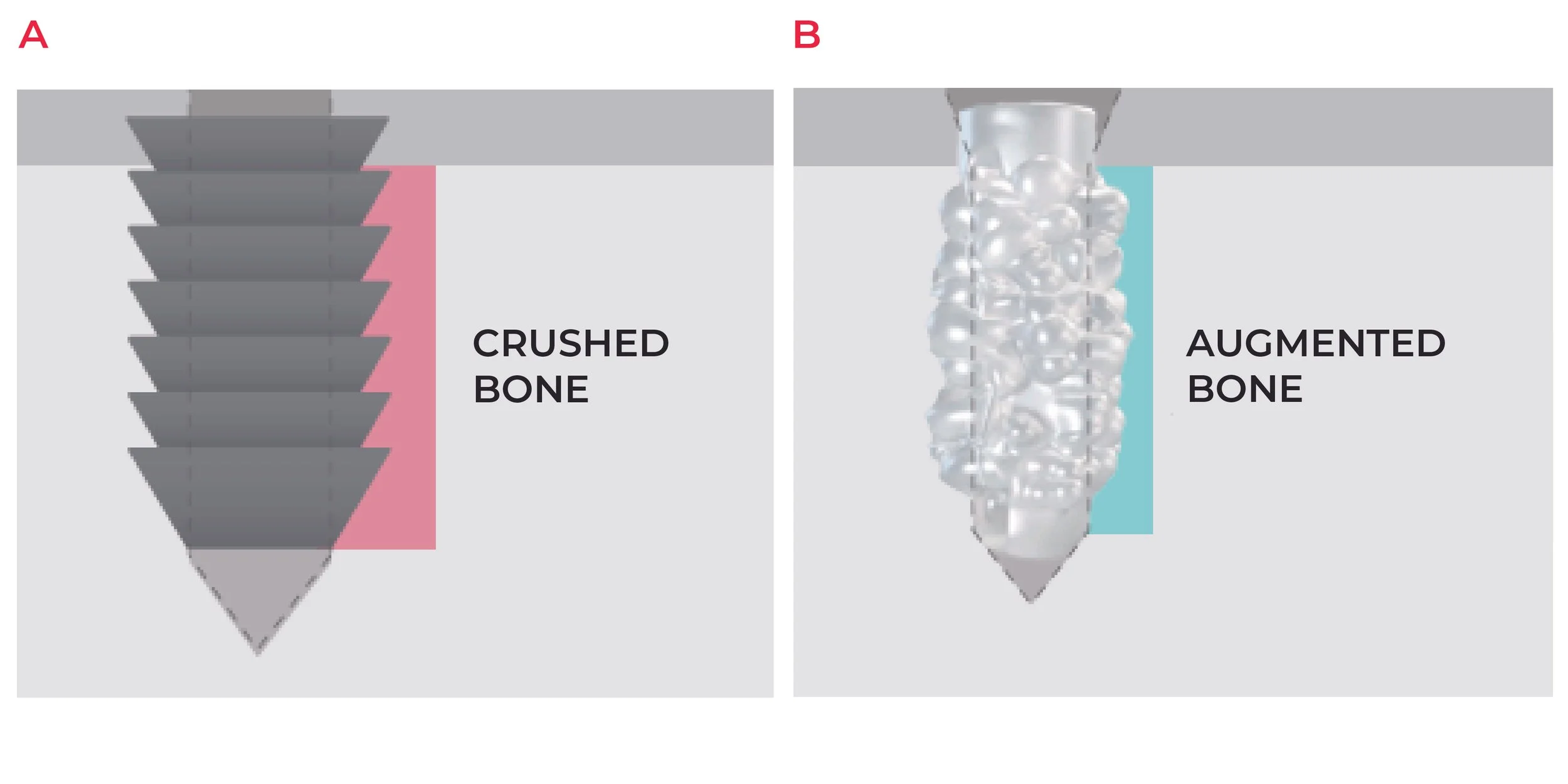
Figure 3: Comparison Of Traditional Barbed Anchor And SF Push-in Anchor. Traditional barbed anchors achieve fixation by threading into bone under high radial pressure, engaging a larger bone volume and potentially increasing stress on the surrounding bone (a). In contrast, the SF Push-in Anchor conforms to the bone’s natural structure while minimizing disruption at the insertion site (b). By interacting with bone without aggressive cutting or barbing, this approach enables the use of smaller anchor designs, as small as 1.6mm, while maintaining secure soft-tissue fixation.
Healing Is a Partnership
Surgical technology sets the stage for healing to happen.
Your body does the hard work.
Rehabilitation teaches it how to move again.
That’s why recovery isn’t just about “fixing” an injury, it’s about choosing solutions that support how the body heals best.
Curious how SupraFusion supports the body’s ability to rebuild and regain confidence in movement?
Discover more at www.supra-fusion.com
Why This Matters for Your Recovery
For patients, the difference isn’t measured in millimeters or surgical technique.
It’s felt during everyday life.
When fixation preserves anatomy and avoids unnecessary disruption:
Healing can progress more smoothly
Strength tends to return more evenly
Movement feels more natural over time
Many patients describe this as regaining confidence, confidence that the joint will hold,
that a step won’t trigger pain, and that returning to activity won’t mean constant hesitation.
The benefit of a small, anatomy-respecting anchor isn’t felt in the operating room.
It’s felt weeks and months later, when walking, exercising,
or playing sports starts to feel normal again.