
Formula 1 for the Operating Room: What Orthopedic Surgery Can Learn from Motorsport Engineering
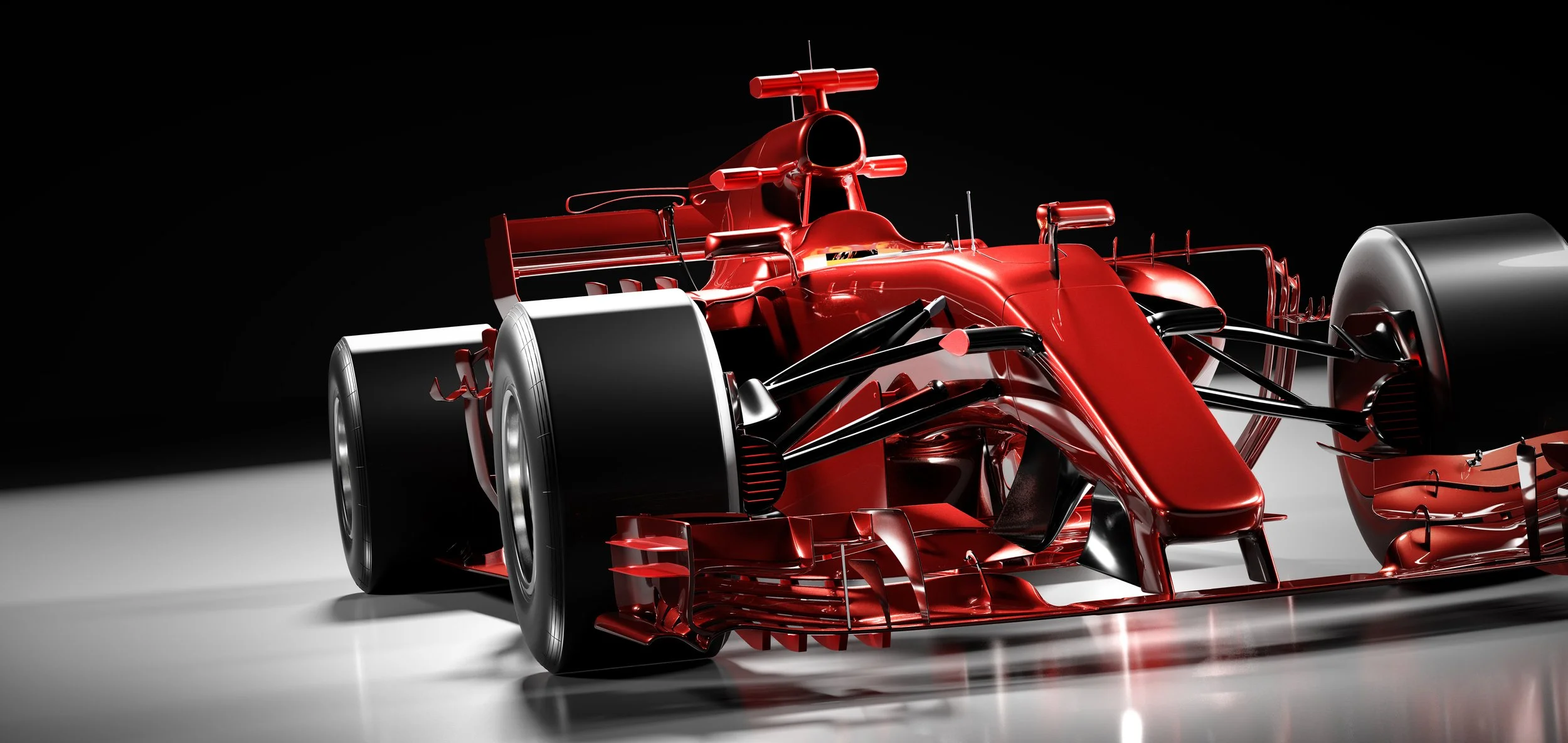
Formula 1 for the Operating Room: What Surgeons Can Learn from Motorsport Engineering
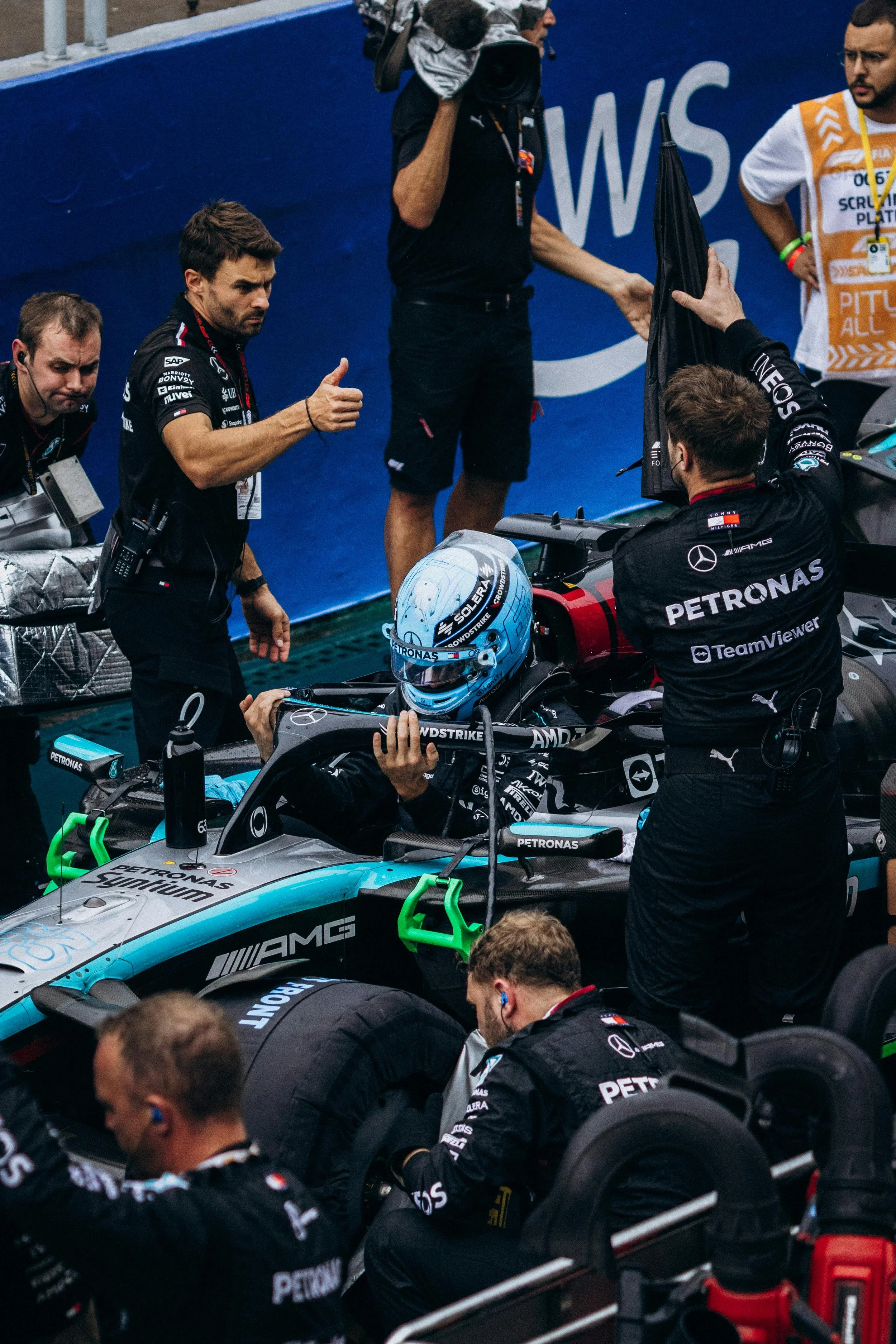
When a Formula 1 car enters the pit lane, there is no room for hesitation.
Every movement is choreographed. Every tool is exactly where it needs to be. Every decision is backed by data gathered long before race day.
At first glance, Formula 1 and surgery seem to belong to different worlds. One is loud, fast, and public. The other is quiet, controlled, and private. But beneath the surface, they share the same defining challenge: performing complex tasks flawlessly in high-risk environments with no margin for error.
The most valuable lessons Formula 1 offers surgery aren’t about speed. They’re about systems.
PERFORMANCE IS ENGINEERED, NOT IMPROVISED
Formula 1 is often framed as a driver’s sport, but races are rarely won by talent alone. They won by preparation.
Every car component is designed to tight tolerances. Every pit stop is rehearsed hundreds of times. Variability is treated as a threat, not a quirk. When something fails, the response isn’t blame — it’s analysis.
The core insight is simple: reliability beats brilliance under pressure.
That mindset has quietly reshaped other high-risk industries, from aviation to nuclear power. Surgery is undergoing the same shift.
THE OPERATING ROOM IS A SYSTEM, NOT A STAGE
For decades, surgery celebrated individual mastery. The steady hands. The calm decisiveness. Those qualities still matter, but evidence increasingly shows that outcomes are driven just as much by how the system is designed.
Communication, workflow, equipment layout, and procedural consistency all influence results. When something goes wrong, it’s rarely a single mistake. It’s a small breakdown that the system failed to catch.
Formula 1 teams learned long ago that asking people to “be more careful” doesn’t work.
Where Margins Are Small, Systems Matter More
In Formula 1, millimeters matter because speed magnifies error.
In surgery, the same principle applies whenever anatomy is compact and functional demands are high.
In these situations, precision isn’t about perfection — it’s about control:
Control of force
Control of energy
Control of variability
Motorsport engineers don’t assume ideal conditions. They design for stress, fatigue, and imperfect execution. The goal is predictable behavior even when humans are under pressure.
That philosophy translates remarkably well to the operating room.
Designing for Humans Under Pressure
One of Formula 1’s most important lessons is also one of its most overlooked:
Even elite professionals are still human.
So systems are built to reduce cognitive load, simplify decisions, and prevent small errors from cascading into major failures. Roles are clear. Movements are standardized. Feedback is immediate.
The goal isn’t to replace expertise — it’s to protect it when it matters most.
In surgery, tools and techniques that work with human limitations, rather than against them, make performance more consistent and outcomes more reliable.
From Motorsport Thinking to Surgical Technology
Formula 1 doesn’t win races with isolated innovations. It wins by integrating engineering, data, and human performance into a single system.
A similar shift is underway in surgery. There is growing interest in approaches that reduce dependence on subjective feel and uncontrolled variability, and instead emphasize:
Reproducibility
Predictable interaction between tools and tissue
Controlled delivery of energy rather than brute force
This is where engineering thinking moves from analogy to application.
The Vision of SupraFusion
Formula 1 didn’t become safer and faster by asking drivers to try harder.
It did so by engineering robust systems around human performance systems that anticipate variability and preserve control in unpredictable conditions.
That same philosophy drives SupraFusion.
We believe the future of the operating room will not be defined by faster hands or greater force. It will be shaped by technologies and workflows intentionally engineered to support surgeons, designed with the same rigor, foresight, and respect for human limits that motorsport has refined over decades.
Because in both racing and surgery, the real advantage isn’t speed.
It’s control.
An Example of Engineering-Driven Thinking in the OR
SupraFusion Technology reflects this systems-based approach.
Rather than relying primarily on rotational force or thread-based mechanics, it applies controlled ultrasonic energy to temporarily alter the material’s behavior at the bone interface. The emphasis is not speed for its own sake, but consistent, predictable fixation.
The philosophy mirrors motorsport engineering:
Manage energy instead of overpowering materials
Create a robust system that adapts to unpredictable conditions
Design solutions that behave reliably in real-world conditions
It’s a reminder that innovation in surgery doesn’t always mean doing more; sometimes it means doing things with greater control.